


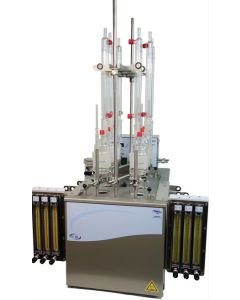
General:
Thus test method is used to evaluate the high-temperature stability of middle distillate fuels, such as diesel fuel.
The method assesses the tendency of a fuel to form insoluble deposits when exposed to elevated temperatures
This helps to predict the potential for injector fouling, filter plugging, and deposit formation in fuel systems.
Precision:
The method includes established repeatability and reproducibility values based on interlaboratory studies. Precision depends on careful control of the test conditions, including temperature, test duration, fuel handling, and the evaluation of deposit formation.
Test:
A measured volume of fuel is heated under controlled conditions at an elevated temperature for a specified period.
After the test, the amount of insoluble material or deposits formed is determined by filtration and visual examination.
The results indicate the thermal stability of the fuel and its resistance to deposit formation during high-temperature operation.