


General
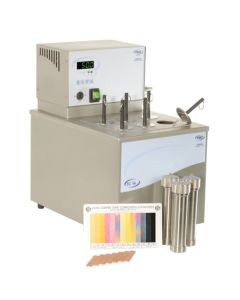
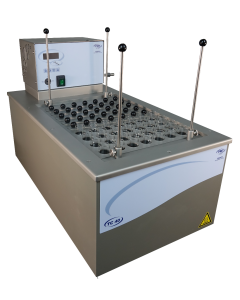
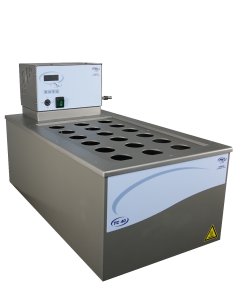
These test methods determine the corrosiveness to copper of various gasolines, fuels, lubricating oils or other hydrocarbons. Most sulfur compounds in petroleum are removed during refining. However, some residual sulfur compounds can have a corroding action on various metals. This effect is dependent on the types of sulfur conipounds present. The copper strip corrosion test measures the relative degree of corrosivity of a petroleum product. The three available methods for this analysis are described here.
Precision
This is a pass/fail test, and no precision data are available.
Test
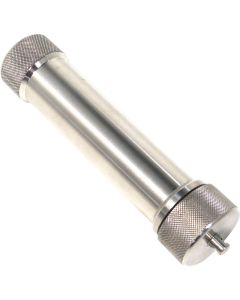
A polished copper strip is immersed in a given quantity of sample and heated at a temperature for a time period characteristic of the material being tested. At the end of this period the copper strip is removed, washed and compared with the ASTM copper strip corrosion standards.