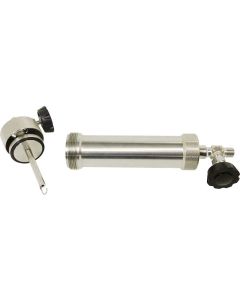
ASTM D1838 is a standard test method used to determine the corrosiveness of liquefied petroleum (LP) gases, such as propane, butane, and LPG mixtures, toward copper. The test detects the presence of corrosive sulfur compounds and other substances that may attack copper and copper-alloy components used in storage, transportation, and fuel systems. It is commonly specified for LPG quality control and product certification.
A polished copper strip is immersed in a pressurized cylinder containing the LPG sample and maintained at 37.8 °C (100 °F) for one hour.
After exposure, the strip is removed, cleaned, and visually compared with the ASTM Copper Strip Corrosion Standards.
The strip is assigned a corrosion classification ranging from Class 1 (slight or no tarnish) to Class 4 (severe corrosion).
The method is a qualitative corrosion test, meaning the result is reported as a corrosion rating rather than a numerical measurement. Lower classifications indicate non-corrosive LPG and good product quality, while higher classifications indicate the presence of corrosive contaminants that may damage copper-containing equipment. Because the result is based on visual classification, the standard does not include numerical repeatability or reproducibility values.
Copper corrosion limits provide assurance that difficulties will not be experienced in deterioration of the copper and copper-alloy fittings and connections that are commonly used in many types of utilization, storage, and transportation equipment. For an equivalent copper strip test applicable to less volatile petroleum products Test Method ASTM - D 130 may be used.
Test:
A polished copper strip is immersed in approximately 100 mL of the sample and exposed at a temperature of 37.8 ° C for one hour in a LPG pressure cylinder of suitable working pressure. At the end of this period, the copper strip is removed and rated as one of the four classifications of the ASTM Copper Corrosion Standards.
Precision:
No generally accepted method for determining precision or bias of ordinal classification data is currently available.