


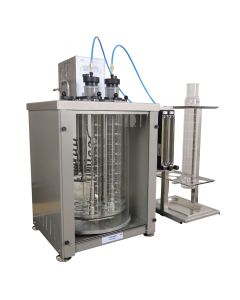
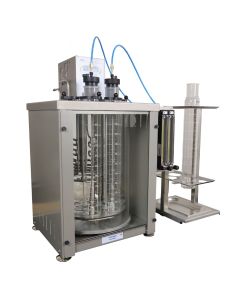
General
ASTM D6082 is a standard test method used to determine the foaming characteristics of lubricating oils at high temperatures. The method evaluates the tendency of an oil to form foam and the stability of the foam under elevated temperature conditions, providing important information for lubricants used in engines, transmissions, hydraulic systems, and industrial equipment where excessive foaming can impair performance.
Precision
The method includes established repeatability and reproducibility values based on interlaboratory studies. Precision depends on careful control of test temperature, air flow rate, and timing, as specified in the standard.
Test
A test specimen is heated to 150 °C, and air is passed through the oil at a controlled rate for a specified period. The foam volume is measured immediately after aeration (foam tendency) and again after a defined settling period (foam stability). The results are reported in millilitres (mL) of foam and are used to assess the lubricant's resistance to high-temperature foaming.